
Understanding the Basics of Bluffing
Bluffing is an essential skill in the realm of poker; it can dramatically alter the course of a game. At its core, bluffing involves deception, allowing a player to present a stronger hand than they actually possess. This tactic can compel opponents to fold their hands, even when they have a better chance of winning. Understanding when and how to bluff is crucial for any aspiring poker player looking to elevate their game at the casino tables, especially when they engage with the best online pokies australia or other gaming options. Mastery of this skill can often be the difference between a novice and a seasoned player.
To master bluffing, players must first grasp the psychology behind it. Successful bluffing relies on reading the table, identifying player tendencies, and analyzing betting patterns. A skilled bluffer pays close attention to the reactions and behaviors of their opponents, determining whether their own actions are convincing enough to deceive. This psychological aspect of poker adds an exciting layer to the game, making it as much about mental prowess as it is about the cards dealt. Players who can manipulate the perceptions of their opponents often find greater success at the tables.
Additionally, the timing of a bluff plays a pivotal role in its effectiveness. A well-timed bluff can catch opponents off guard, particularly if they are caught off balance or are experiencing a losing streak. Conversely, bluffing at the wrong moment can lead to disaster, especially if players are aware of your tendencies. Therefore, honing the ability to recognize the right moments to execute a bluff is a skill that can only be developed with practice and experience. The more one plays, the better one becomes at identifying those prime opportunities for a successful bluff.
Types of Bluffs in Poker
In poker, there are various types of bluffs players can employ, each with its distinct characteristics and purposes. The most common form is the pure bluff, where a player has no chance of winning the hand based on their cards. This strategy is typically used when a player senses weakness in their opponents and aims to force them to fold. The key to executing a successful pure bluff is maintaining a strong betting pattern to reinforce the illusion of strength. The confidence projected in one’s betting can often convince opponents that they are facing a formidable hand.
Another popular bluffing strategy is the semi-bluff. This occurs when a player has a hand that may not currently win but has the potential to improve in future rounds. By betting aggressively with this type of bluff, players can benefit from two potential outcomes: either forcing their opponents to fold or hitting a favorable card on subsequent turns. This dual-purpose approach makes semi-bluffing a versatile tactic in a player’s arsenal. It allows for a proactive strategy, keeping the pressure on opponents while remaining open to potential improvements.
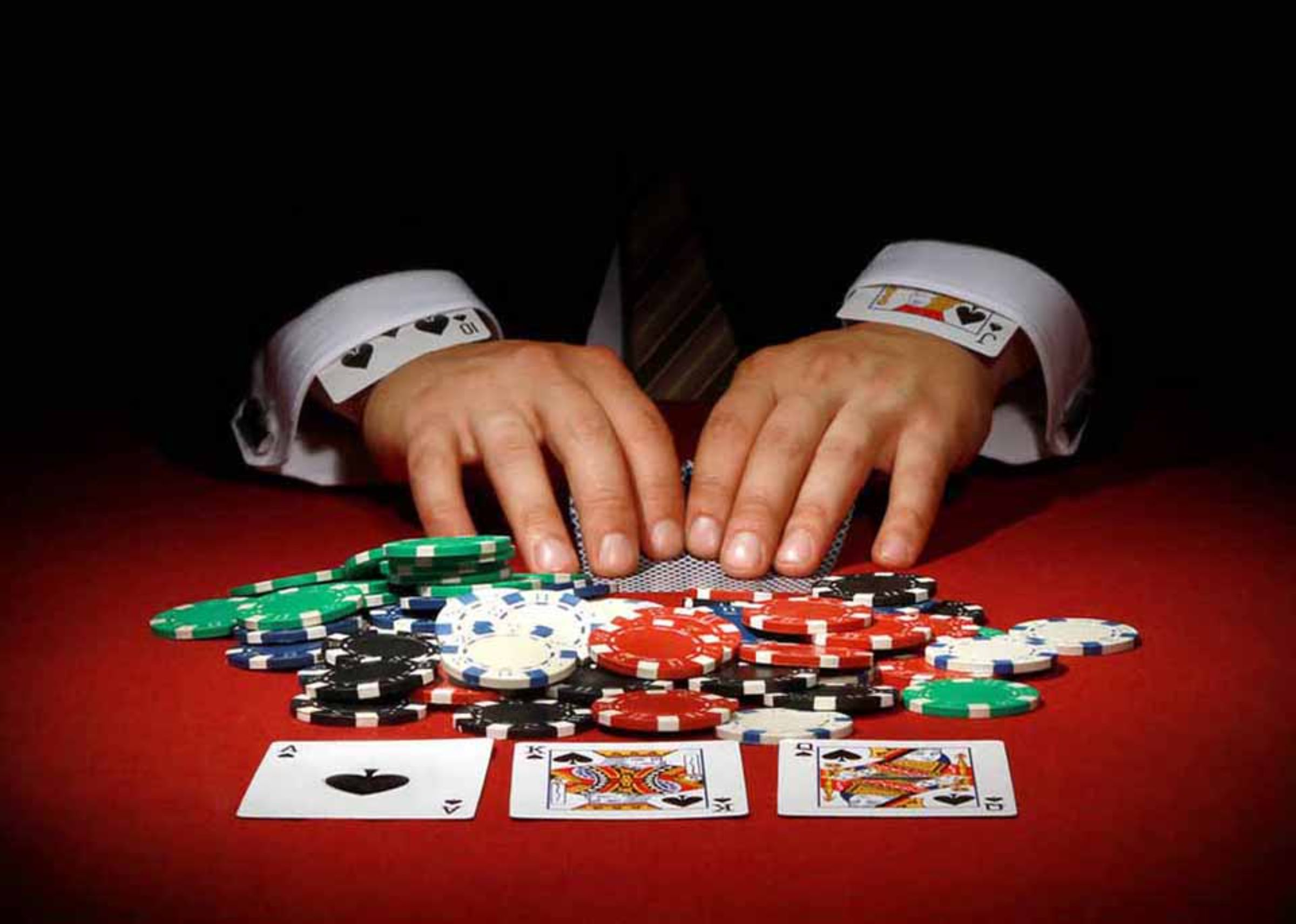
Moreover, the stone-cold bluff requires immense confidence and timing, as it involves betting heavily when the player has no improvements to show for their hand. This type of bluff is high-risk and can backfire if opponents call the bet. However, when executed correctly, it can result in significant gains, especially against cautious players who are prone to folding under pressure. Understanding these different types of bluffs allows players to adapt their strategies to various circumstances encountered at the poker table. Each bluffing technique has its place, making it essential for players to be versatile and adaptable.
Reading Your Opponents
One of the most crucial aspects of successfully bluffing in poker is the ability to read your opponents. Every player has a unique style and approach to the game, which can provide valuable insights into their potential responses to your actions. Observing body language, facial expressions, and betting patterns can reveal whether an opponent is confident in their hand or hesitant about their cards. Being adept at reading these cues can significantly enhance a player’s bluffing strategy. For instance, a player who avoids eye contact or shows signs of nervousness may be more likely to fold when faced with a bluff.
It’s also vital to consider the overall dynamics at the table. The number of players involved, their stack sizes, and their playing styles can all impact how effective a bluff will be. For example, a table filled with cautious players may be more susceptible to bluffs, while aggressive players might call your bets more frequently. Adapting your bluffing tactics based on the players around you is essential for long-term success in poker games. Tailoring your approach to the specific dynamics of the table can greatly increase your chances of successful bluffs.
Furthermore, it’s important to develop a strong sense of emotional intelligence. Understanding your opponents’ psychological states can provide an edge when deciding whether to execute a bluff. A player who appears frustrated or anxious may be more likely to fold, allowing a well-timed bluff to succeed. Moreover, having a solid grasp of your own emotional state can prevent you from making hasty decisions based on frustration or excitement, enabling you to maintain focus during high-pressure situations. Being emotionally stable allows for a more calculated approach to bluffing, which can lead to better decision-making.
When to Bluff and When to Fold
Knowing precisely when to bluff is as critical as the act itself. A successful bluff often hinges on context—considering the board, your position at the table, and your opponents’ tendencies can provide insight into whether a bluff is warranted. For instance, if the board shows consecutive cards that could potentially complete a straight or a flush, players may be more inclined to fold weaker hands. In this case, a carefully calculated bluff could position you to take down the pot. Understanding the nuances of the game can create opportunities that might otherwise go unnoticed.

On the other hand, there are moments when it’s wise to fold rather than attempt a bluff. If you find yourself in a situation where the board is unfavorable or your opponents are showing signs of strength, pushing forward with a bluff may lead to unnecessary losses. Assessing the risk and determining the likelihood of success is vital in these scenarios, especially when chip management plays a critical role in tournament settings. The ability to recognize when to step back can often save a player from significant losses.
Moreover, seasoned players will often recognize the importance of maintaining a balanced strategy. If you bluff too frequently, observant opponents will begin to catch on, rendering future bluffs ineffective. Alternating between aggressive plays and conservative folds can keep opponents guessing and enhance the viability of your bluffs when you decide to employ them. Ultimately, understanding the balance between bluffs and folds creates opportunities for strategic gameplay. This dynamic approach is crucial for maintaining an edge over opponents in the long run.
Enhancing Your Bluffing Skills
To become proficient at bluffing in poker, consistent practice is essential. Engaging in various poker games, whether online or in-person, can provide a wealth of experience that hones your skills. Combining knowledge of game theory, understanding mathematical odds, and practicing your psychological reading skills will prepare you for bluffing opportunities when they arise. Furthermore, debriefing after games and analyzing your plays can foster growth and improve your future performance. Reflection on your gameplay is key to understanding what works and what needs adjustment.
Additionally, players can benefit from studying professional games and poker literature that focuses on advanced strategies. Many resources detail successful bluffing techniques utilized in high-stakes games, offering insights that can be applied at any skill level. Observing how experienced players conduct their bluffs can inspire confidence and provide new techniques to incorporate into your own gameplay. Learning from the best can illuminate paths you may not have considered in your approach to bluffing.
Lastly, finding a supportive poker community can significantly enhance your learning process. Engaging with fellow enthusiasts—whether through forums, local poker clubs, or coaching sessions—can foster a collaborative learning environment. Sharing experiences, discussing strategies, and receiving feedback from peers can provide invaluable wisdom that accelerates your development as a proficient bluffer in poker games. Building connections with other players can open doors to new strategies and insights, enriching your overall understanding of the game.